
How to Build a 5-Year Maintenance and Sustainability Plan for Your Condo Corporation
Condominium living offers convenience and community, yet it also exposes owners to shared risks. Ageing buildings, unpredictable repairs, and rising energy prices can make fees spike unexpectedly. Preventive maintenance, competitive bidding, and energy‑efficient upgrades can help manage cost increases. Without structure, many communities face special assessments or deferred repairs because there is no long‑range vision. A 5‑year maintenance and sustainability plan for condos gives your board and residents that vision. This guide from Wilson, Blanchard Management Inc. (a firm that believes communication is key and brings decades of Ontario real estate experience) walks you through the process in plain language. By following these steps, you will build trust, reduce surprises, and improve building resilience. Keep reading to learn how your corporation can develop a balanced plan that protects both your property and your pocket.
Step 1: Clarify Your Condo’s Maintenance and Sustainability Goals
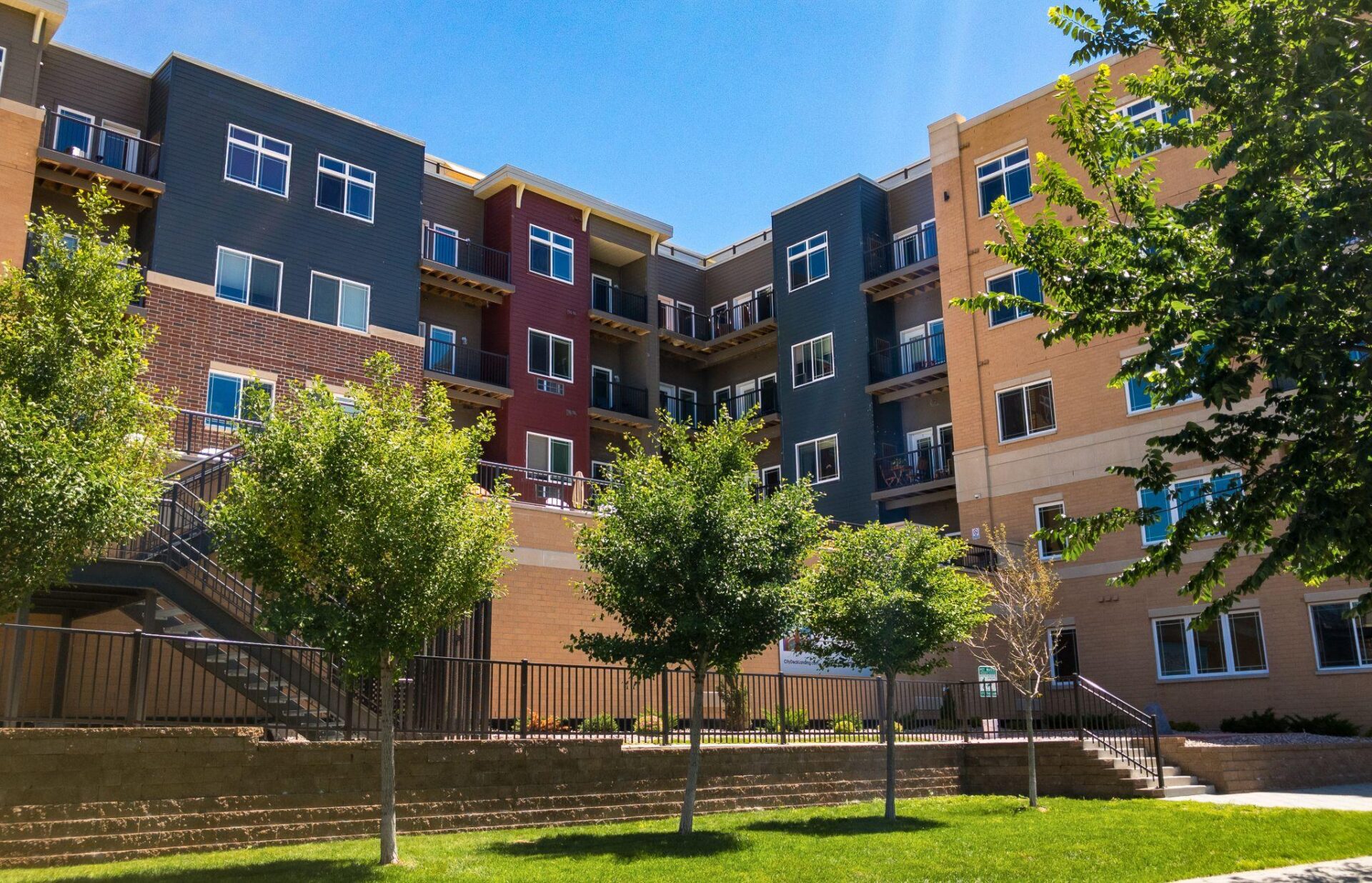
Every strong 5‑year maintenance and sustainability plan for condos begins with clear goals. Start by discussing what matters most to your community. Common themes are safety, reliability, predictable fees, lower environmental impact, and resident comfort. Ontario’s reserve fund rules require boards to maintain the common elements and ensure adequate funds for major repairs. Directors must act honestly and take reasonable steps to prevent risks. A risk management cycle (identifying risks, assessing their likelihood and impact, responding, monitoring, and reporting) should be built into your long-term maintenance plan for condo corporations. This process helps you prioritize high‑risk elements such as roofs, elevators, and parking garages, and ensures sustainability projects are evaluated alongside mandatory repairs. By articulating your goals up front, you can align the plan with the needs of owners and regulatory expectations and avoid later disagreements.
Step 2: Build an Asset Inventory and Gather Your Existing Reports
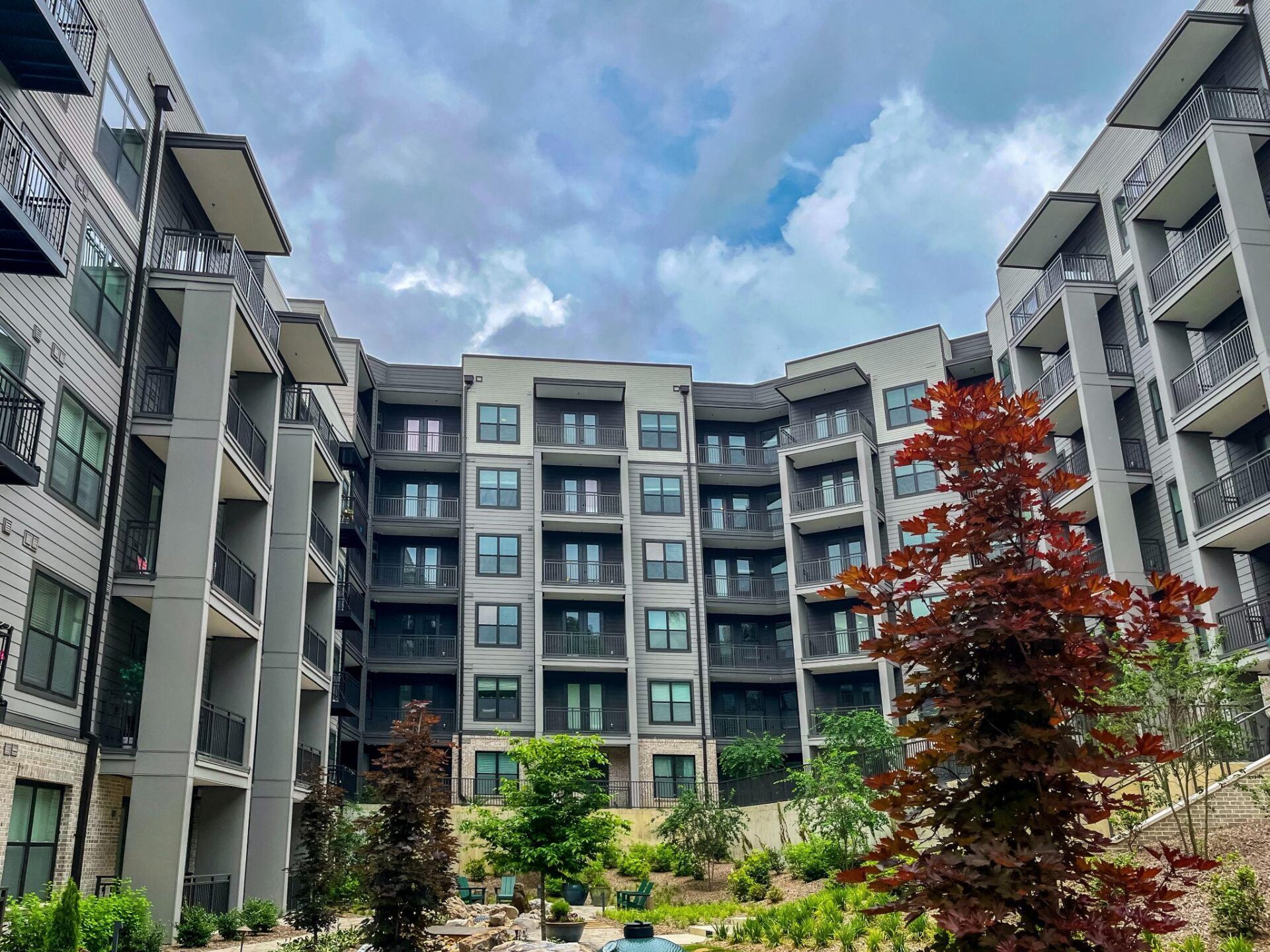
A complete inventory is the foundation of any 5‑year maintenance and sustainability plan for condos. Start by compiling a list of all common elements, from roofs and cladding to boilers, elevators, plumbing, and parking structures. Collect existing documents such as the reserve fund study, building condition assessments, warranties, service contracts, and manufacturers’ manuals. Condominium managers are responsible for arranging repairs, maintaining inventories, logging maintenance frequencies, and establishing preventive maintenance programmes. Your long-term maintenance plan for condo corporations should draw on this information to estimate remaining service life and replacement costs. Also, review your declaration and bylaws to clarify which repairs are corporation duties and which belong to owners. Clarifying responsibilities prevents confusion and ensures costs are allocated fairly. If your reserve fund study is older than three years, consider commissioning an update to capture current building conditions, inflation, and sustainability opportunities.
Step 3: Map Out a Condo Maintenance Schedule for the Next Five Years
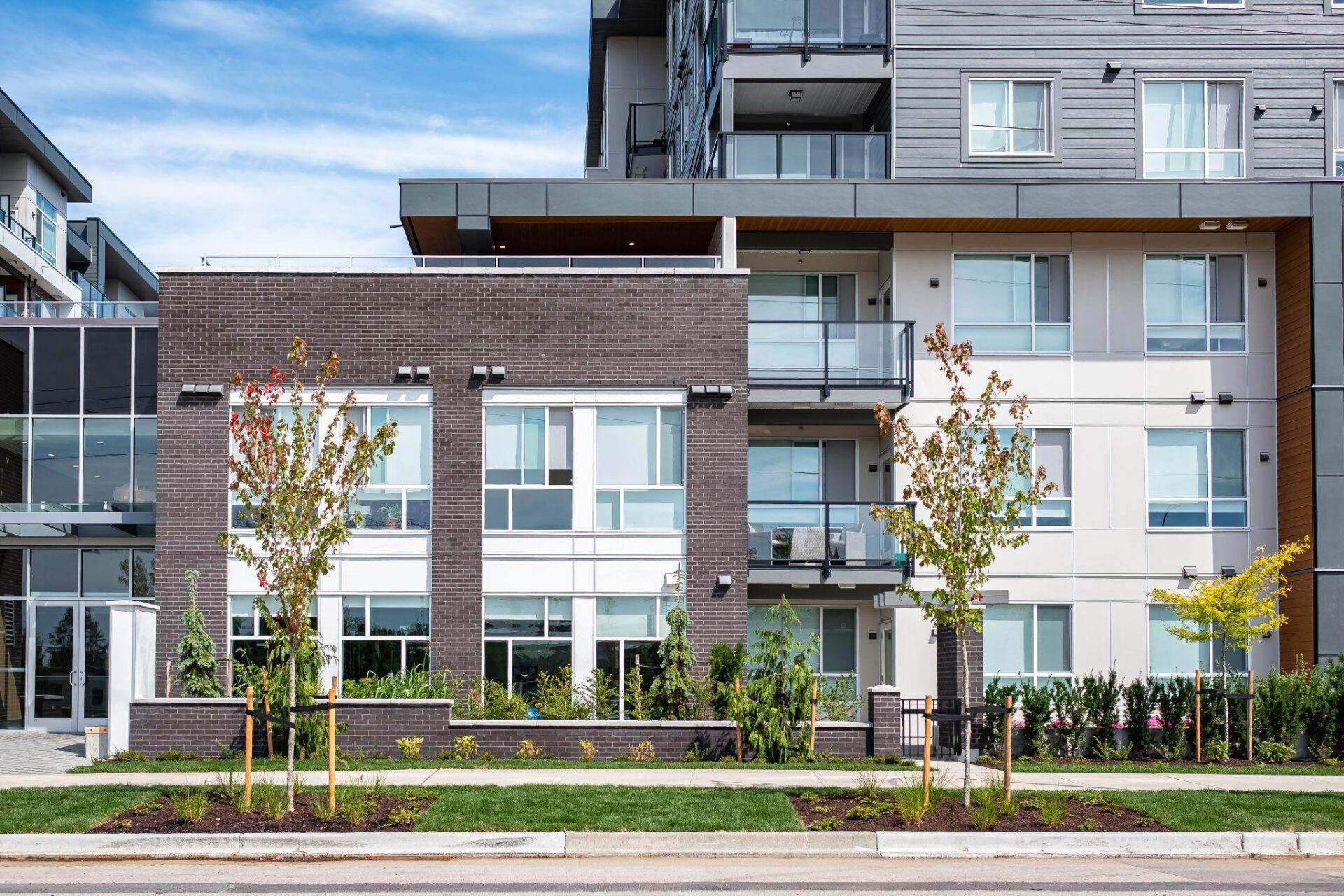
With your asset inventory in hand, you can create a maintenance schedule that blends routine tasks with major projects. Begin by listing annual and seasonal tasks such as roof inspections, caulking and drainage checks, HVAC changeover, landscaping, pest control, and snow removal. Experts advise corporations to inspect roofs regularly, remove debris, repair flashing, and reinforce sealants to prevent leaks. A spring checklist might include landscaping assessments, irrigation checks, HVAC tune‑ups, common area cleaning, and exterior maintenance. Integrate these recurring tasks into your calendar along with one‑time projects identified in the reserve fund study, such as elevator refurbishments or cladding replacement. Use a calendar tool to track mandatory deadlines and coordinate inspections and contracts. When deciding how to create a condo maintenance schedule, group tasks by season and assign them to responsible parties. A five‑year calendar reduces the chance of surprises and helps boards communicate expected work to residents.
Step 4: Integrate Sustainability and Energy Efficiency Projects into Your Five‑Year Plan
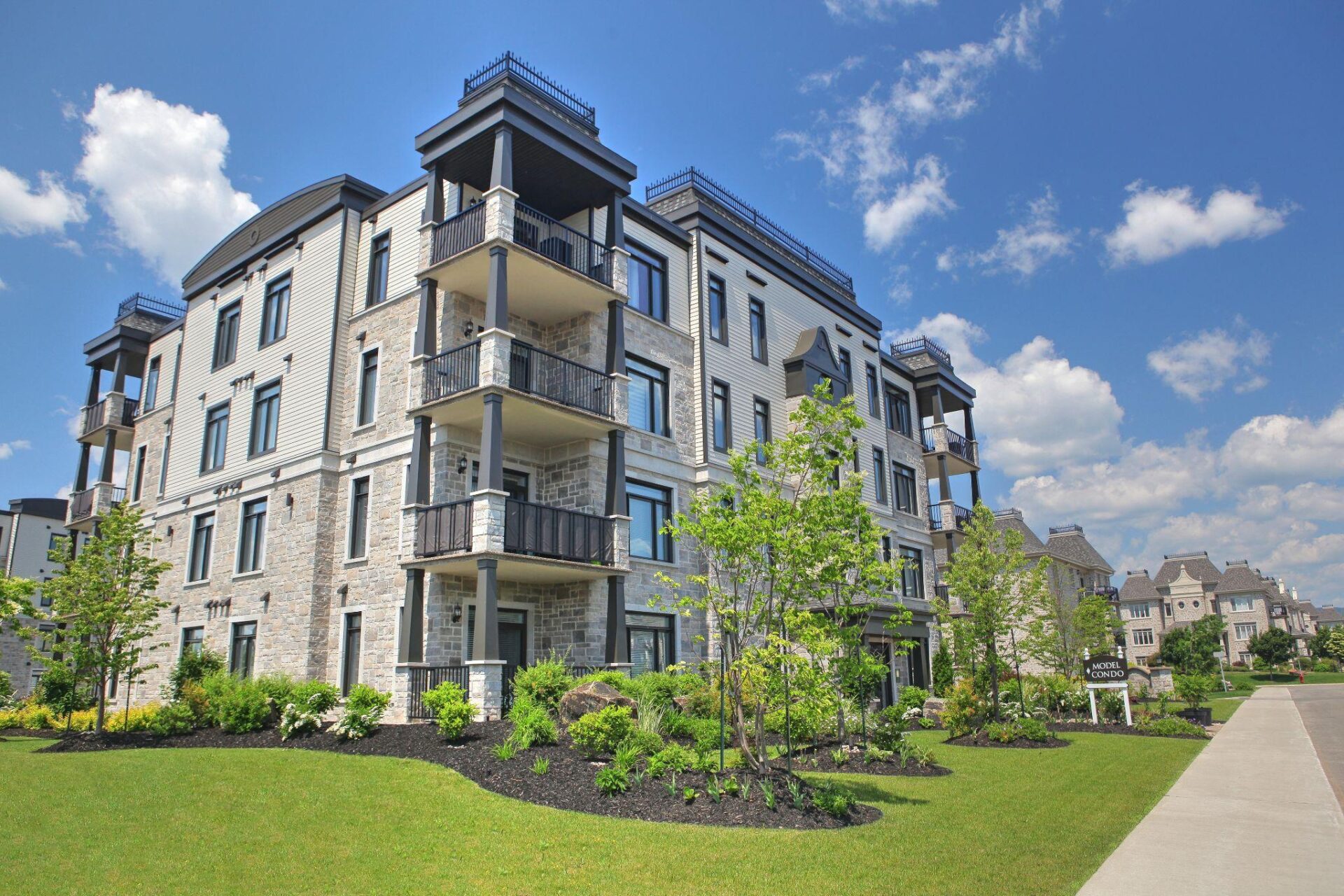
Sustainability is more than a buzzword; it protects residents from rising utility costs and future regulations. Incorporating energy projects into your 5‑year maintenance and sustainability plan for condos will pay dividends. Start by benchmarking your building’s energy use through the Energy & Water Reporting and Benchmarking programme. Energy Use Intensity (EUI) compares your building’s energy consumption to similar properties and is the first step in managing on‑site energy use. Next, conduct an energy audit to pinpoint candidate projects such as LED lighting conversions, variable frequency drives for pumps and fans, high‑efficiency boilers, and solar photovoltaics. Associations encourage filing utility consumption data because it enables investment in upgrades like boiler replacements, lighting updates, window retrofits, and chiller modernizations. Be proactive: natural gas costs are projected to double in the coming years, and some jurisdictions aim to eliminate natural gas entirely. Plan to phase out gas equipment in favour of electric heat pumps and upgrade insulation and windows to reduce heating and cooling loads. Align sustainability projects with regular equipment replacements to minimise disruption and cost.
Step 5: Prioritize Capital Projects Based on Risk, Condition, and Funding
Not all projects are equally urgent. A realistic 5‑year maintenance and sustainability plan for condos weighs structural risk, occupant impact, and available reserves. Begin by reviewing your reserve fund study and risk register. High‑risk items such as leaking roofs, deteriorating balconies, failing water mains, or unsafe parking structures should be scheduled early to protect residents and prevent costly damage. Evaluate each project’s condition, remaining life, and regulatory requirements; consider the consequences of delaying work. Some sustainability upgrades, like LED lighting or water leak sensors, provide quick payback and can be bundled with other projects. Experts recommend analysing utility bills and installing monitored water meters to detect leaks; converting lighting to LED can save thousands per year, and variable frequency drives improve pump efficiency. When preparing for larger capital projects, obtain competitive quotes, decide whether to engage engineering consultants, and align timing with other maintenance tasks to save money. Use risk and benefit criteria to prioritize your list and communicate the rationale to owners. Transparent prioritization builds trust and helps secure support for necessary expenditures.
Step 6: Align Your Five‑Year Plan with Reserve Fund Planning
Reserve funds are mandated by the Condominium Act to cover major repairs and replacements and may not be used for improvements. A good 5‑year maintenance and sustainability plan for condos dovetails with reserve fund planning so that adequate contributions are collected, and special assessments are minimised. Effective reserve fund planning reduces the need for special assessments, maintains structural integrity, and ensures repairs are addressed quickly. The law requires periodic reserve fund studies, typically every three years. Use your study to schedule replacements and set contribution levels that match projected costs. Incorporate sustainability upgrades into the study so their costs and savings are considered in funding decisions. Best practices include gathering all relevant documents (previous studies, warranties, maintenance records), clarifying repair responsibilities, and actively participating in the study process. When planning contributions, factor in inflation and potential grant programmes for green upgrades. Aligning your maintenance schedule with the reserve fund helps you avoid sudden fee increases and ensures your corporation meets legal obligations.
Step 7: Define Clear Roles for the Board, Property Manager, and Engineers

A successful 5‑year maintenance and sustainability plan for condos depends on clear accountability. Boards set the policy direction and approve budgets, while property managers and professional consultants handle day‑to‑day execution. Managers arrange for utilities, coordinate repairs and maintenance of lawns, roads, pest control, and mechanical components, maintain inventories, and log preventive maintenance. They also prepare newsletters and communicate fee increases or maintenance activities to owners. Engineering consultants provide technical expertise, design specifications, oversee contractors, and certify work completion. Industry publications stress that checklists and calendars should be a collaborative effort between the board and management. Outline who is responsible for planning, vendor selection, supervision, communication, and reporting. Establish reporting timelines and ensure management provides regular updates on progress and budgets. By defining roles and expectations early, you build a dependable partnership where everyone knows their responsibilities and can be held accountable.
Step 8: Build Your Maintenance and Reserve Fund Planning Checklist
Checklists bring order to complex tasks. A unified checklist for your 5‑year maintenance and sustainability plan for condos ties together routine maintenance, inspections, and funding decisions. Start by listing annual obligations such as elevator inspections, backflow testing, fire safety equipment servicing, window washing, and landscaping contracts. Include deadlines from your calendar tool, such as reserve fund study updates or financial statement filings. Add seasonal tasks from your preventive maintenance schedule: roof and balcony inspections in spring and fall, HVAC changeover, power‑washing garages, cleaning catch basins, and gutter systems. Create columns for responsible parties, due dates, estimated costs, and funding sources (operating budget or reserve fund). This maintenance and reserve fund planning checklist should be reviewed with your property manager, engineer, and board each year to adjust timelines and budgets. By documenting tasks and linking them to funding, you ensure that nothing falls through the cracks and that contributions reflect planned work.
Step 9: Communicate Your Five‑Year Plan to Owners and Adjust Based on Feedback
Transparency builds trust. Once your 5‑year maintenance and sustainability plan for condos is drafted, share it with owners through newsletters, meetings, and online portals. Explain why projects are necessary, how they will be funded, and the benefits of proactive maintenance. Managers should communicate fee increases, major repairs, and maintenance activities to owners. At recent industry meetings, leaders reminded boards that preventive maintenance, energy‑efficient upgrades, and transparent communication help manage fee increases. Provide an opportunity for owners to ask questions and offer input; their lived experience may highlight issues not captured in reports. Consider surveys to gauge support for sustainability projects or to decide on seasonal HVAC changeover dates. When owners understand the rationale behind decisions, they are more likely to support necessary funding. Be open about trade‑offs and adjust the plan when feedback reveals new priorities or cost constraints.
Step 10: Review and Refresh Your Plan Every Year

Buildings and circumstances change. An annual review ensures your 5‑year maintenance and sustainability plan for condos stays relevant. Risk management frameworks recommend monitoring risks and reporting progress as part of an annual cycle. Tie the review to budget season and reserve fund updates so you can adjust contributions and schedules together. During the review, compare planned tasks with completed work, assess costs, and look for lessons learned. Update your risk register and asset inventory to reflect new information, such as a prematurely failed roof or a successful energy retrofit. Annual checklists suggest reviewing contracts, expirations, and mandated maintenance tasks and adjusting schedules accordingly. Also, revisit sustainability goals: new grants or technologies may allow for additional energy savings. Regularly reviewing and updating condo maintenance plans keeps the plan relevant, fosters adaptability, and ensures your corporation complies with evolving legislation and industry best practices.
Your Next Steps
Creating a 5‑year maintenance and sustainability plan for condos is an investment in your community’s future. By clarifying goals, inventorying assets, scheduling preventive tasks, integrating sustainability, prioritizing based on risk, aligning with reserve fund planning, defining roles, building checklists, communicating openly, and reviewing annually, you can protect your building and your finances. Preventive maintenance and energy‑efficient upgrades not only reduce the likelihood of unplanned repairs but also help manage condo fees. Wilson Blanchard Management delivers honest, professional, and dependable guidance tailored to Ontario’s regulatory landscape. If you are ready to build or update your plan, request a proposal and start shaping a more resilient, sustainable community today.