
Condo Maintenance and Sustainability: Common Questions From Ontario Boards
Ontario condo boards work hard to balance day-to-day upkeep with long-term planning. Unexpected repairs, unclear information, and growing expectations for environmental performance can place pressure on your board and your budget. It’s common to feel overwhelmed when trying to stay organized while also meeting repair timelines, safety standards, and financial responsibilities.
Condo maintenance and sustainability planning help your community care for shared assets and prepare for future needs. With clear information, steady communication, and support from experienced partners, your board can make informed decisions and manage costs responsibly. This FAQ draws on guidance from Ontario sources like the CAO, CMRAO, and CCI chapters to help you plan with confidence. It also complements the insights shared in our Ultimate Guide to Long-Term Maintenance and Sustainability Planning for Condominium Communities, making it easier for your board to navigate both day-to-day needs and long-range priorities.
What Does “Condo Maintenance And Sustainability” Actually Mean For Your Community?
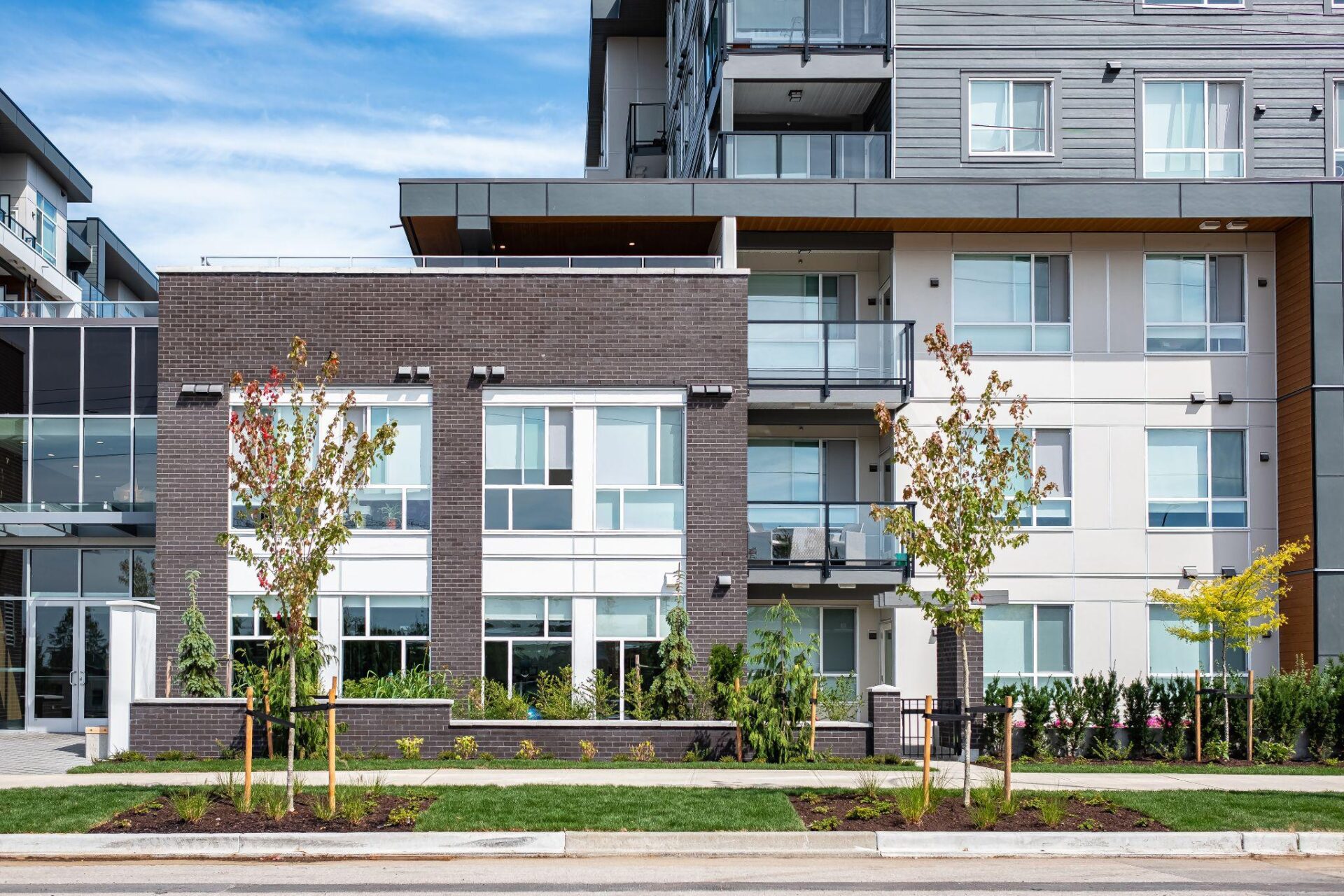
Condo maintenance and sustainability focus on caring for your building today while planning for future needs. Routine and long-range tasks help prevent costly issues, improve building performance, and manage shared expenses. These practices form key condo maintenance planning best practices in Ontario. Sustainability upgrades like efficient lighting, equipment, and water-saving fixtures support smoother operations through clear records, steady communication, and predictable timelines.
Which Maintenance Responsibilities Belong To Your Condo Corporation Versus Individual Owners?

A common issue within common condo maintenance questions for boards is determining which responsibilities belong to the corporation and which belong to owners. The corporation manages common elements like roofs, hallways, elevators, and shared systems, while owners handle interior finishes and certain in-unit components. Clear guidance and communication help owners understand their condo preventive maintenance responsibilities, reducing strain on building systems and avoiding unnecessary service calls.
What Is A Preventive Maintenance Plan For Condos, And Why Should Your Board Have One?
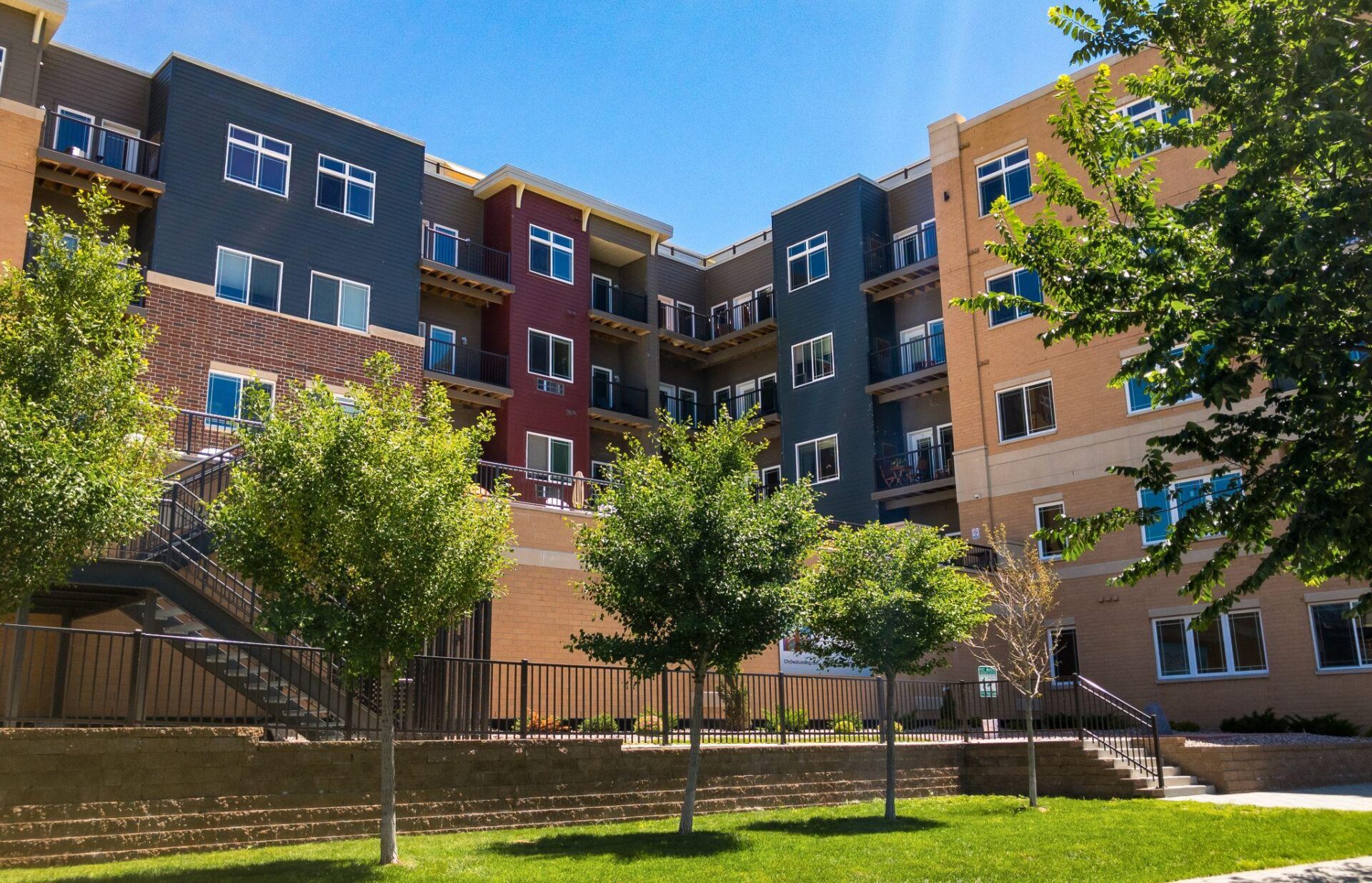
A preventive maintenance plan sets out scheduled inspections, testing, and service tasks to keep equipment running longer and reduce unexpected breakdowns. This proactive approach supports condo maintenance and sustainability, minimizes disruptions, and helps your board budget more accurately.
The plan typically includes HVAC systems, fire equipment, elevators, pumps, roofs, and other shared components, ensuring compliance with Ontario safety requirements. It also improves communication. When owners see maintenance happening consistently, they feel informed and reassured. Your management team can help maintain schedules, records, and reminders.
How Often Should Your Condo Board Review And Update Its Maintenance Checklist?

Your board should review its maintenance checklist each year, with seasonal checks added for equipment affected by weather. Regular updates help you catch gaps early, adjust schedules, and stay aligned with your reserve fund study as the building ages.
Accurate tracking also supports smoother operations and better financial planning. Your management team can help by monitoring contractor reports, recording completed tasks, and ensuring updates are based on real information rather than assumptions.
What Is A Reserve Fund, And How Does It Support Long-term Term Repairs In Your Condo?

A reserve fund is money set aside for condo reserve fund planing and long-term repairs, such as roofs, boilers, garages, or windows. These costs fall outside the operating budget and require long-term planning.
A well-funded reserve protects owners from financial shocks and reduces the need for special assessments. It also supports fairness and accountability, as emphasized by the CAO and CCI. A strong reserve fund is an essential part of condo maintenance and sustainability, helping your building stay safe and reliable over time.
How Often Must Your Corporation Complete A Reserve Fund Study?

Ontario requires condos to complete a reserve fund study every three years. Class 1 studies include a site inspection, while Class 2 and 3 studies update timelines and financial projections. Guidance from the CAO and engineering firms like Ben Engineering outlines these requirements.
These studies help your board understand the lifespan of major components and adjust long-term planning as needed. Keeping your study up to date supports responsible condo maintenance and sustainability and makes budgeting more predictable by reducing surprises.
What Counts As A “Major Repair Or Replacement” For Reserve Fund Purposes?

A major repair or replacement is significant work on a common element with a predictable lifespan, such as HVAC components, roofing, or structural repairs, as noted by Davidson Houle Allen and RSLaw. Smaller tasks like cleaning or minor fixes belong in the operating budget.
Knowing the difference helps your board plan responsibly, stay compliant with Ontario’s financial rules, and support long-term condo maintenance and sustainability.
Can Your Condo Pay For Sustainability Upgrades From The Reserve Fund?

Your condo may use the reserve fund for sustainability upgrades only when they are part of a required replacement. For example, if you are already renewing lighting or HVAC systems, choosing higher-efficiency options is often acceptable. CCI National recommends seeking engineering and legal advice before deciding.
New additions, however, usually belong in the operating budget. Clear documentation helps explain these choices to owners. This approach keeps condo maintenance and sustainability aligned with both technical guidance and Ontario’s legal requirements.
Which Sustainability Initiatives Usually Give Condos The Best Long Term Value?

Lighting upgrades, improved controls, efficient HVAC systems, and water-saving fixtures often deliver strong long-term value. These are common sustainability initiatives for condo buildings supported across the industry. Guidance from FSR and BCG shows these improvements reduce energy use and help buildings run more smoothly.
They also lower utility costs and reduce strain on equipment. Taken together, these upgrades support condo maintenance and sustainability by improving efficiency and managing expenses over time.
How Does Energy Benchmarking Help Your Condo Plan Maintenance And Upgrades?

Energy benchmarking measures your building’s energy use against similar properties. This helps your board spot efficiency issues and plan long-term improvements. Municipal and industry programs, including examples from San Antonio, show how useful benchmarking can be.
It also offers clear data on how past upgrades performed, helping owners understand your decisions. This is especially valuable when considering energy efficiency upgrades for condo corporations. With this insight, your board can prioritize projects that strengthen condo maintenance and sustainability while keeping operating costs stable.
How Can Your Board Communicate Upcoming Maintenance Projects So Residents Stay Informed?

Clear communication keeps residents informed and helps avoid frustration. Notices, emails, meeting summaries, and resident portals are useful ways to share updates, and project timelines help people understand what to expect.
Your management team can support this by preparing accurate information and responding to common questions. When owners understand a project’s purpose, cost, and timing, they feel included and reassured. Strong communication also builds trust and supports effective condo maintenance and sustainability.
What Should You Tell Owners About The Impact Of New Regulations On Maintenance And Reserves?

Ontario continues to strengthen rules around safety, reporting, and financial planning. Groups like the CAO and property management specialists highlight the importance of explaining these changes clearly.
Your board should share how new regulations affect timelines, costs, or required upgrades. This perspective helps owners understand why certain projects cannot be delayed. Sharing this information supports condo maintenance and sustainability by showing how provincial rules protect long-term safety and financial stability.
How Do Preventive Maintenance Practices Actually Save Your Condo Corporation Money?

By staying proactive, your board extends the lifespan of major components and reduces long-term spending. This approach strengthens condo maintenance and sustainability because it addresses problems early and prevents small issues from growing into larger, costly repairs. When owners see fewer unexpected expenses and understand that proactive practices are in place, they gain confidence in your board’s planning and long-term decision-making.
How Can You Build Sustainability Goals Into Your Next Reserve Fund Study?

Reserve fund studies allow your board to include environmental goals in long-term planning. Engineering guidance, including insights from Momentum Property Management Services, encourages reviewing whether upcoming replacements could use higher-efficiency options.
As you update the study, consider insulation, ventilation, or mechanical upgrades that add efficiency without creating unexpected costs. This helps your board support practical condo maintenance and sustainability while staying within planned renewal cycles.
What Are The Best Ways To Track Maintenance And Sustainability Priorities Between Board Meetings?

Tracking tools help your board stay organized between meetings. Shared logs, digital calendars, and maintenance platforms make it easier to record service dates, contractor notes, and upcoming tasks. These tools support reliable condo maintenance and sustainability by giving your board accurate information for decision-making. Your management company can maintain these records and provide timely updates.
When Should Your Board Bring In Engineers Or Other Specialists To Support Maintenance And Sustainability Planning?

Engineers should be involved when planning major projects, assessing recurring issues, or completing reserve fund studies. Their expertise helps identify building conditions, realistic timelines, and cost-effective solutions. They also guide sustainability initiatives for condo buildings, ensuring upgrades are reliable and appropriate. Their input helps your board make informed, long-term decisions tied to condo maintenance and sustainability.
How Can Your Property Management Company Support Day-To-Day Maintenance And Long-Term Planning?

Your management company coordinates daily maintenance, oversees contractors, maintains service records, and communicates with residents. Their knowledge of Ontario’s real estate market supports your board during complex projects. They also assist with long-term planning by gathering quotes, tracking timelines, and providing clear updates. This dependable support strengthens condo maintenance and sustainability and keeps your board prepared and informed.
What Are Some Warning Signs That Your Condo’s Maintenance And Sustainability Planning Is Falling Behind?

Warning signs include frequent equipment failures, rising utility costs, delayed repairs, or increased resident complaints. Visible issues such as leaks or cracks may indicate overdue preventive work. If these problems appear, your board may need to revisit schedules or consult specialists. Early action reduces risk and keeps your long-term condo maintenance and sustainability planning on track.
How Often Should Your Board Review Its Long-Term Maintenance And Sustainability Plan?
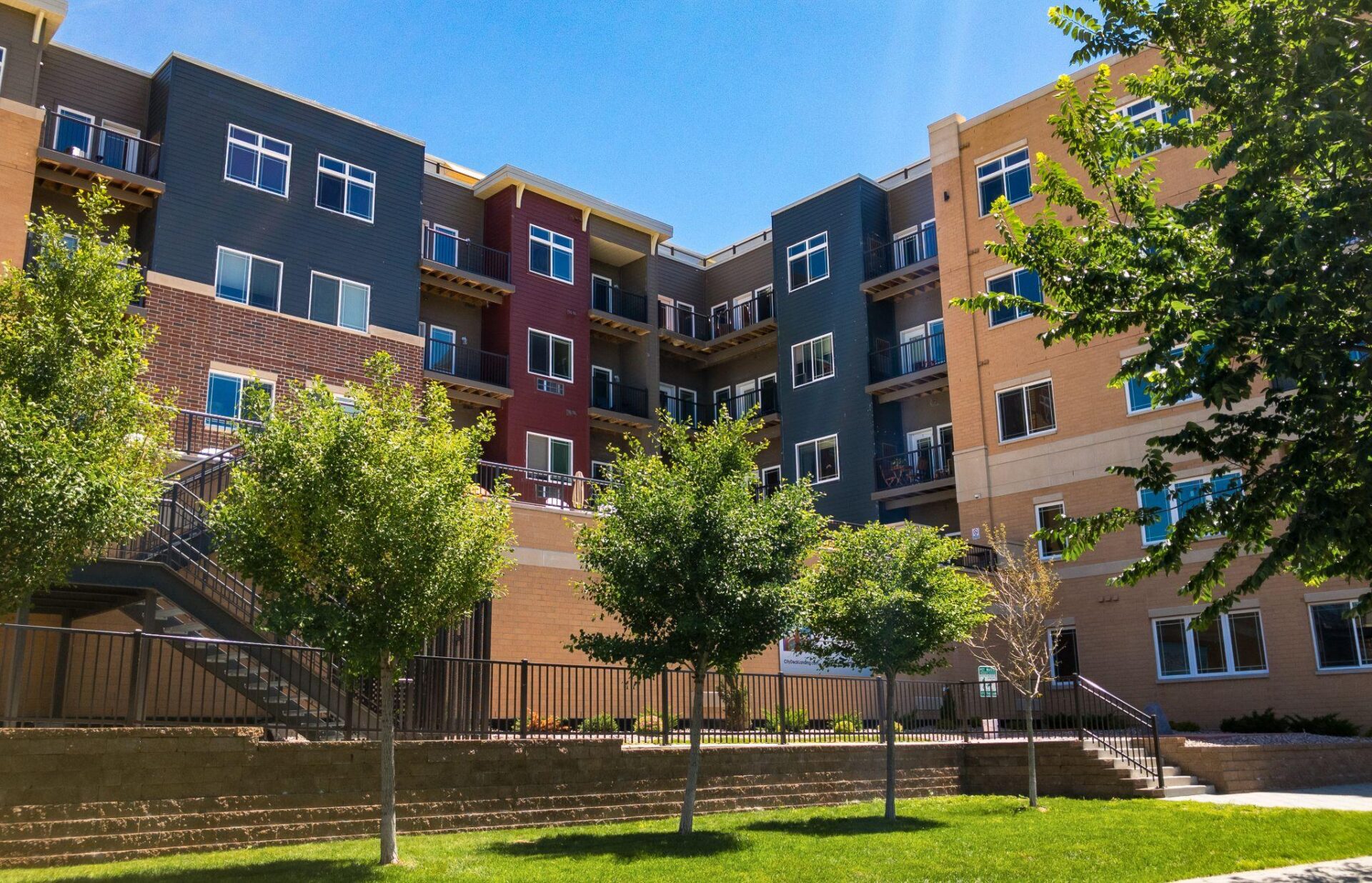
Your long-term plan should be reviewed every three years, ideally alongside your reserve fund study. An annual check helps you adapt to changing building conditions and budget needs. Regular review supports consistent condo maintenance and sustainability by keeping your board aligned with safety, financial planning, and lifecycle expectations. Resources like a 5-Year Maintenance and Sustainability Plan for Your Condo Corporation can also help guide updates and ensure your planning remains structured and future-focused. Your management team can help streamline this process.
Where Can Ontario Boards Find Guidance And Tools For Better Reserve Fund And Maintenance Planning?

Ontario boards can rely on the CAO, CMRAO, and CCI chapters for templates and updates that support accurate planning. Paired with guides like 5-Year Maintenance and Sustainability Plan for Your Condo Corporation, these resources help strengthen long-term decision-making and overall condo maintenance and sustainability.
Moving Forward With Confidence

Steady planning, clear communication, and informed decisions help your board maintain a safe and financially stable building. By understanding your responsibilities and using trusted Ontario resources, you can build a long-range strategy that protects your community. If you’re ready to move forward, you can take the next step by requesting a proposal.
Summary
This FAQ supports Ontario boards by offering clear guidance on condo maintenance and sustainability. With reliable information and organized planning, your community can stay prepared and make responsible, long-term decisions.