
10 Proactive Maintenance Practices That Save Condo Corporations Thousands Each Year
Condominium corporations across Ontario face a common challenge: maintaining the safety and functionality of buildings while managing limited budgets. When boards wait for systems to fail, the results can be costly emergency repairs, unhappy residents and lengthy downtime. A reactive approach can also erode trust if residents feel caught off guard by sudden levies or disruptions. By contrast, proactive maintenance practices for condo corporations offer a roadmap to prevent failures, prolong the life of assets and preserve property value.
A comprehensive plan helps you stay ahead of deterioration, schedule work with minimal impact and allocate funds wisely. This guide explains how well‑planned maintenance reduces surprises and supports long‑term sustainability. Read on to discover ten practical steps you can take to implement proactive maintenance practices for condo corporations and avoid the headaches of deferred upkeep.
Find more expert advice in our Ultimate Guide To A Thriving Condominium Community.
1. Create a Written Preventive Maintenance Plan for Condos
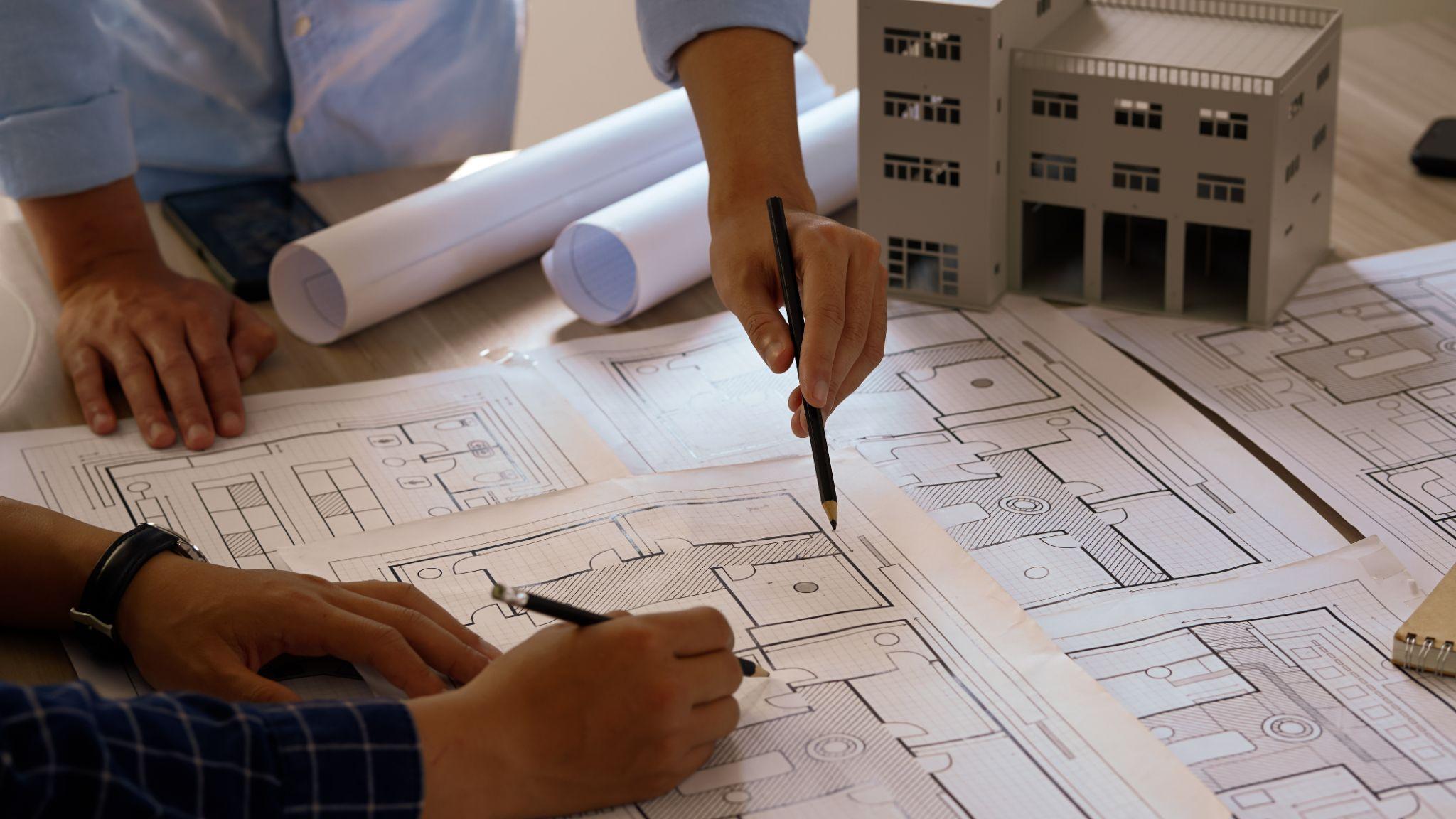
Every condo community benefits from understanding the importance of proactive maintenance practices for condo corporations. Deferred repairs often lead to emergency work, frustrated owners and expensive special assessments. A preventive maintenance plan for condos establishes expectations by defining how the building and grounds will be maintained. The document outlines the scope of responsibilities for common elements, details seasonal tasks, and notes who is responsible for carrying them out. It should describe how you will inspect mechanical rooms, clean drains, and test emergency systems; assign due dates; identify the required qualifications for contractors; and schedule reviews to ensure nothing gets overlooked. This framework serves as your condo association’s maintenance checklist, providing the board with confidence that routine work will continue, regardless of who is on the board. When everyone is aware of the plan, they can prepare for downtime and budget for large projects. A formal document also shows prospective buyers that your corporation is well-run and invests in maintaining shared assets. With a written plan in place, your community can move from reactive fixes to a predictable approach that protects property values.
2. Schedule Regular Roof and Building Envelope Inspections for Condos

Rain, snow and fluctuating temperatures take a toll on a condominium’s exterior. Planned roof and building envelope inspections for condos identify minor issues before they become leaks, mould or structural decay. A detailed review examines roofing materials, flashing, gutters, downspouts, and wall cladding. Inspectors look for signs of wear, such as cracked membranes, missing shingles, clogged drains, or damaged brickwork. Catching these problems early lets you schedule repairs during favourable weather, reducing the risk of water infiltration. Integrating these checks into your proactive maintenance practices for condo corporations ensures you allocate funds to keep your building sealed. Inspections should be conducted twice a year (once in the spring and once in the fall) by qualified engineers or experienced contractors. They should provide clear reports with photos, recommended repair timelines and estimated costs so you can plan ahead. Using a structured schedule helps boards avoid emergency calls when heavy rain exposes a small crack that has become a major leak. By keeping your building watertight and structurally sound, you prevent damage to interior finishes, reduce insurance claims and extend the life of your most valuable assets.
3. Stay Ahead of HVAC Maintenance for Condo Buildings

Heating, ventilation and air conditioning systems are the lungs of a condominium. Neglecting them can result in high utility bills and uncomfortable living conditions. Incorporating HVAC maintenance for condo buildings into your overall strategy ensures that residents remain comfortable and equipment remains efficient. A solid plan includes replacing filters, cleaning coils, inspecting boilers, servicing chillers and checking fan coils. Contractors should test thermostats, calibrate controls and look for signs of wear. Monitoring this equipment not only enhances comfort but also improves energy efficiency, thereby reducing operating costs and emissions. These proactive maintenance practices for condo corporations result in less downtime and fewer complaints, as issues are addressed before they escalate into breakdowns. At least twice a year, have professionals conduct thorough inspections and adjust service frequencies based on age, usage patterns, and manufacturer recommendations. Where possible, implement predictive maintenance for condo buildings by using sensors or building automation systems to detect changes in temperature, vibration or pressure. Addressing small issues before they grow into failures keeps residents happy and supports long‑term planning.
4. Test and Maintain Fire and Life Safety Systems on a Strict Schedule

Safety systems are your condo’s first line of defence during an emergency. Fire alarms, sprinklers, emergency lighting and backup generators protect lives and property, but only when they’re properly maintained. Every board should have proactive maintenance practices for condo corporations that include rigorous testing of safety equipment. Regular inspections ensure alarms are audible, sprinkler heads are unobstructed, and exit signs are visible. Maintenance contracts should specify the inspection frequency and contractor responsibilities to ensure compliance with fire codes. In addition to professional checks, create a condo association maintenance checklist for your superintendent or on‑site staff to complete monthly visual inspections. These checks may involve confirming that stairwell doors close properly, fire extinguishers remain charged, and the generator’s fuel is topped up. Keep test reports in your records for audits or insurance renewals and communicate test dates so residents understand why alarms will sound. In a crisis, working safety systems save lives and limit damage. Investing time and resources into testing and maintenance reduces liability and demonstrates your commitment to community well‑being.
5. Plan Plumbing and Drainage Maintenance Before Leaks Force Your Hand
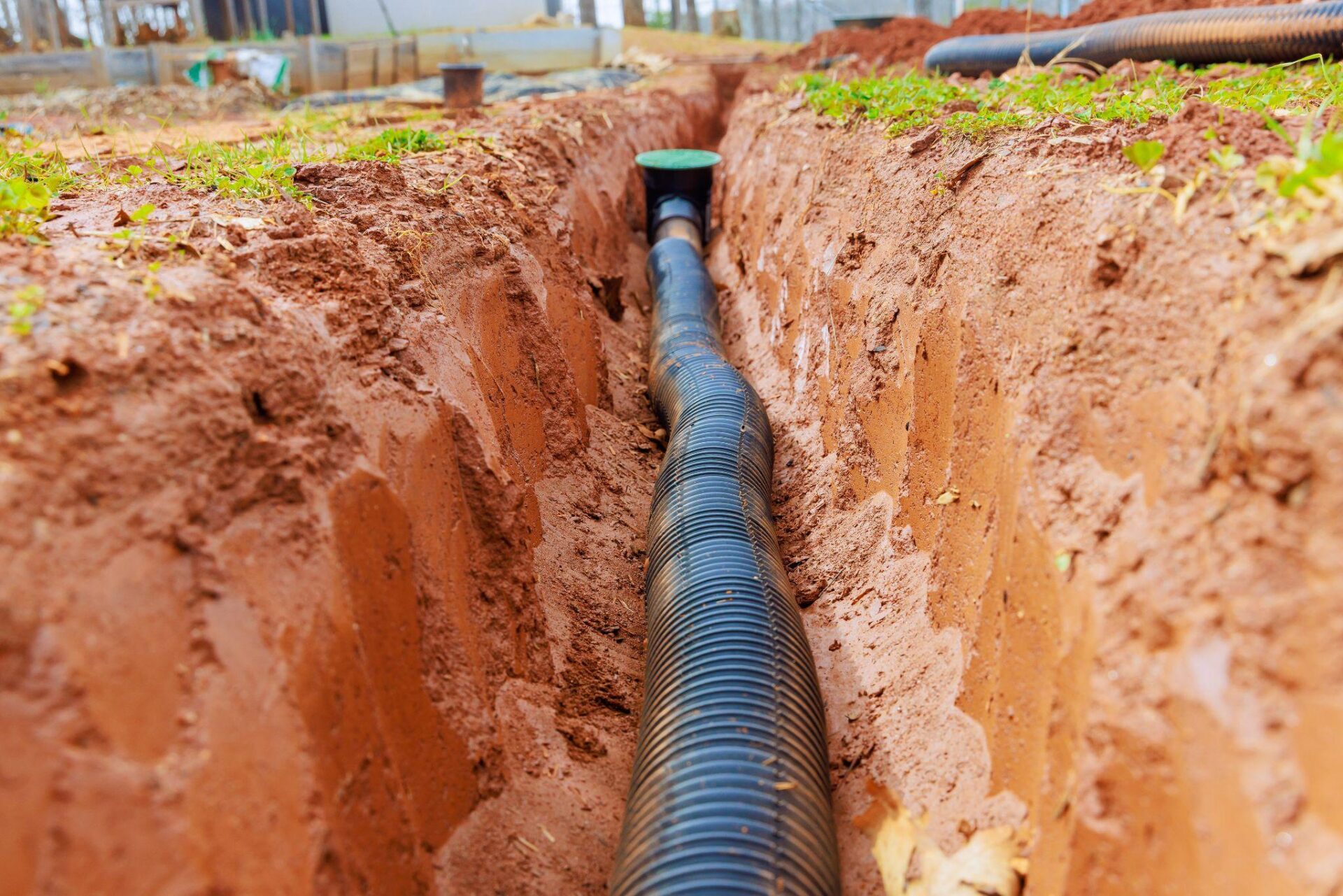
Water damage is one of the most common and costly issues facing condominium communities. A proactive approach to common area plumbing maintenance in condos prevents leaks and backups that can disrupt residents’ lives. Your maintenance plan should include regular inspections of stacks, backflow devices, sump pumps and storm drains. Plumbers should flush pipes, test shut‑off valves and clean traps to keep water moving smoothly. Review older pipes and consider replacement before they fail, particularly in high‑rise buildings with aging galvanized or cast‑iron lines. These proactive maintenance practices for condo corporations avoid the chaos of burst pipes, mould growth and displacement of residents. Also monitor water pressure and temperature to identify fluctuations that may signal a problem. Use predictive maintenance for condo buildings by tracking usage or installing sensors to detect leaks early. Encourage residents to report drips or slow drains promptly so issues can be addressed before they become emergencies. A well‑maintained plumbing system saves money on repairs, reduces insurance claims and protects your building’s reputation.
6. Build a Preventive Plan for Elevators and Vertical Transportation
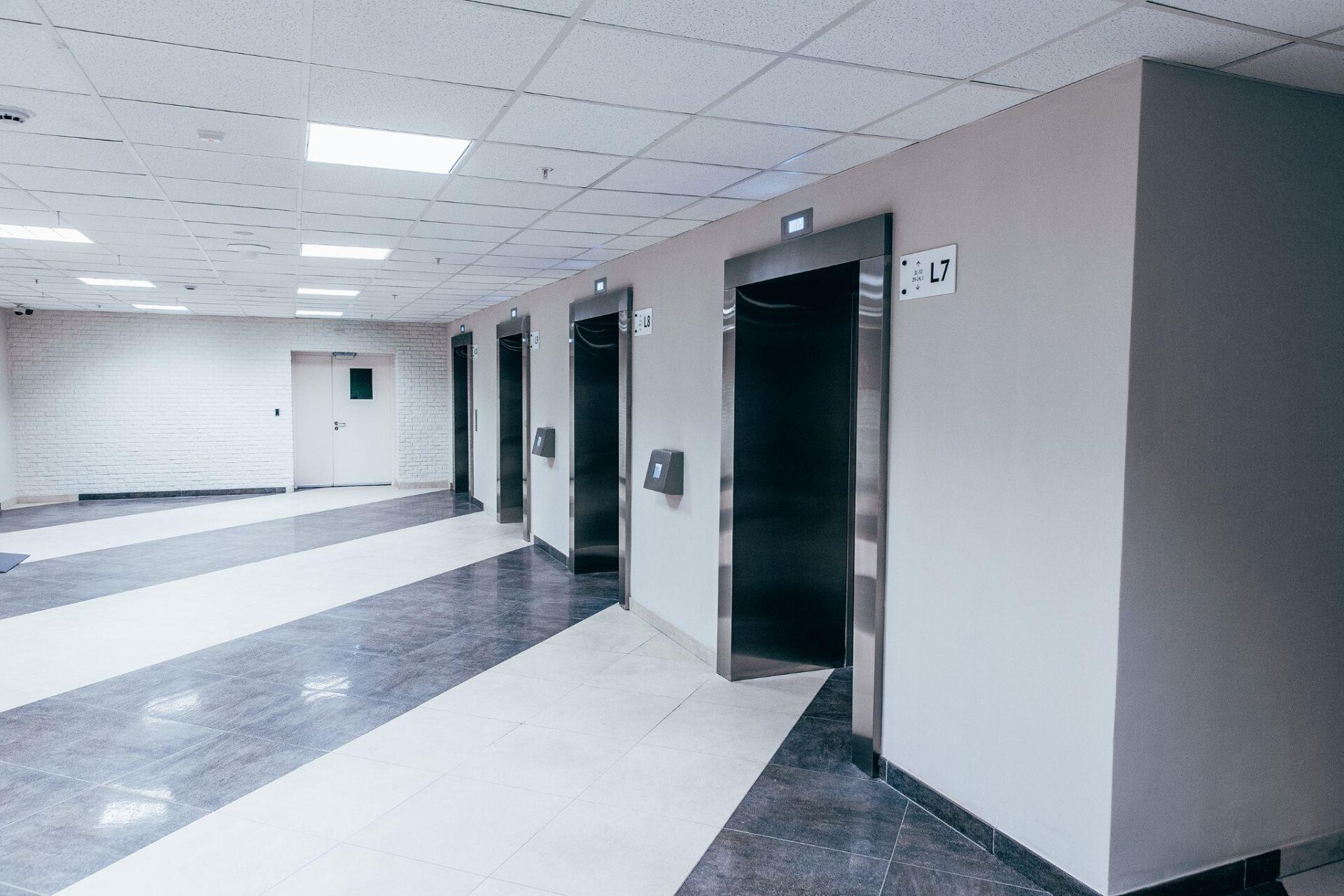
Elevators and lifts keep condo buildings accessible and comfortable for residents of all ages. When they break down, it causes inconvenience and can pose risks to those with mobility challenges. Developing proactive maintenance practices for condo corporations around vertical transportation is therefore essential. A preventive plan should schedule routine inspections, load tests and lubrication as recommended by regulations and manufacturers. Your predictive maintenance for condo buildings can include monitoring ride performance, door operation and call times to detect issues before they become service calls. Ensure your contracts specify response times, parts coverage, and expected downtime during upgrades. Communicate clearly with residents about maintenance windows and provide alternative access routes when elevators are offline. If your building has multiple lifts, stagger service periods to maintain accessibility. Regularly review the age of your equipment and plan for modernization when performance declines or parts become obsolete. Doing so prevents extended outages and ensures compliance with accessibility standards. By investing in elevator care and planning ahead, your condo demonstrates respect for residents’ mobility and avoids the frustration of unplanned breakdowns.
7. Use Energy Benchmarking to Spot Waste and Guide Upgrades
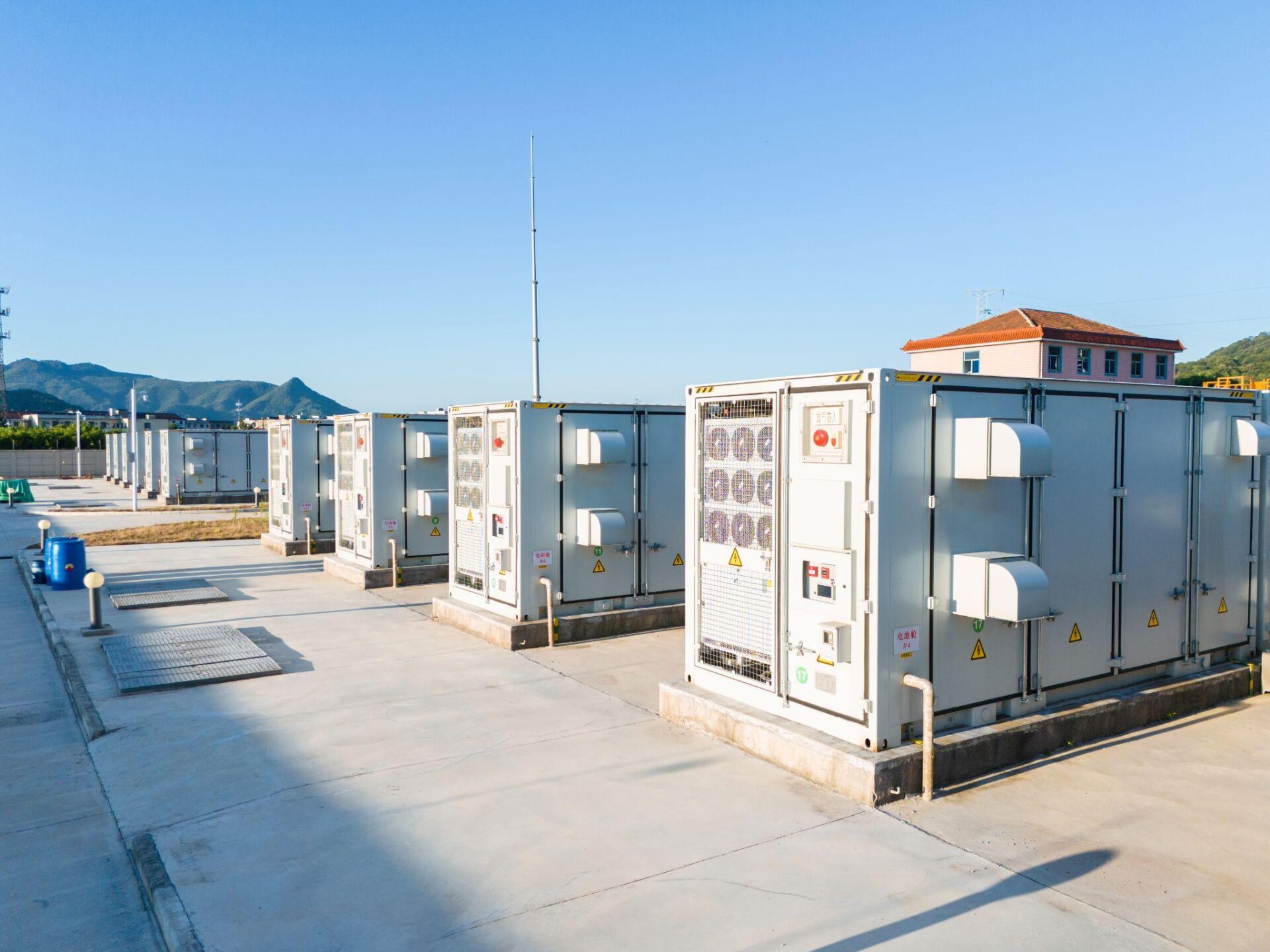
Energy costs consume a significant portion of a condominium’s operating budget. Tracking energy use helps you identify patterns, pinpoint waste, and prioritize upgrades. Energy benchmarking is an effective tool within proactive maintenance practices for condo corporations because it measures consumption across electricity, gas and water over time. By comparing your building’s performance against records and similar properties, you can identify areas for investment in upgrades, such as lighting retrofits, insulation, or window replacements. Pair benchmarking with predictive maintenance for condo buildings by connecting your HVAC and lighting controls to a building automation system. This system monitors energy use and alerts you to anomalies that may indicate faulty equipment or user errors. When you track trends, you can adjust schedules, reset thermostats or repair equipment that is wasting energy. Benchmarking also supports transparent reporting to residents, demonstrating that the board is serious about sustainability and cost management. Use the data to develop a roadmap for improvements that will deliver the best return on investment.
8. Keep Detailed Maintenance Records and Up‑to‑Date Asset Inventory

Good record‑keeping makes proactive maintenance practices for condo corporations much more effective. Detailed logs and inventories capture information about every asset’s installation date, warranty, expected service life and past repairs. Maintaining a comprehensive asset inventory helps you build a thorough condo association maintenance checklist and ensures that no piece of equipment is overlooked. Records should include inspection dates, tasks performed, outcomes and recommendations for future work. Digital platforms simplify this process by allowing you to upload photos, track costs, and schedule reminders. They allow board members and property managers to access information quickly and share it with contractors or auditors when needed. Consistent record-keeping supports trend analysis, allowing you to identify recurring issues, adjust maintenance schedules, and plan capital improvements. It also helps when creating your reserve fund study because you’ll have accurate information about when major components will need replacement. When you can produce detailed records at a moment’s notice, residents see that their board is organized, diligent and trustworthy.
9. Align Proactive Maintenance With Your Reserve Fund Plan
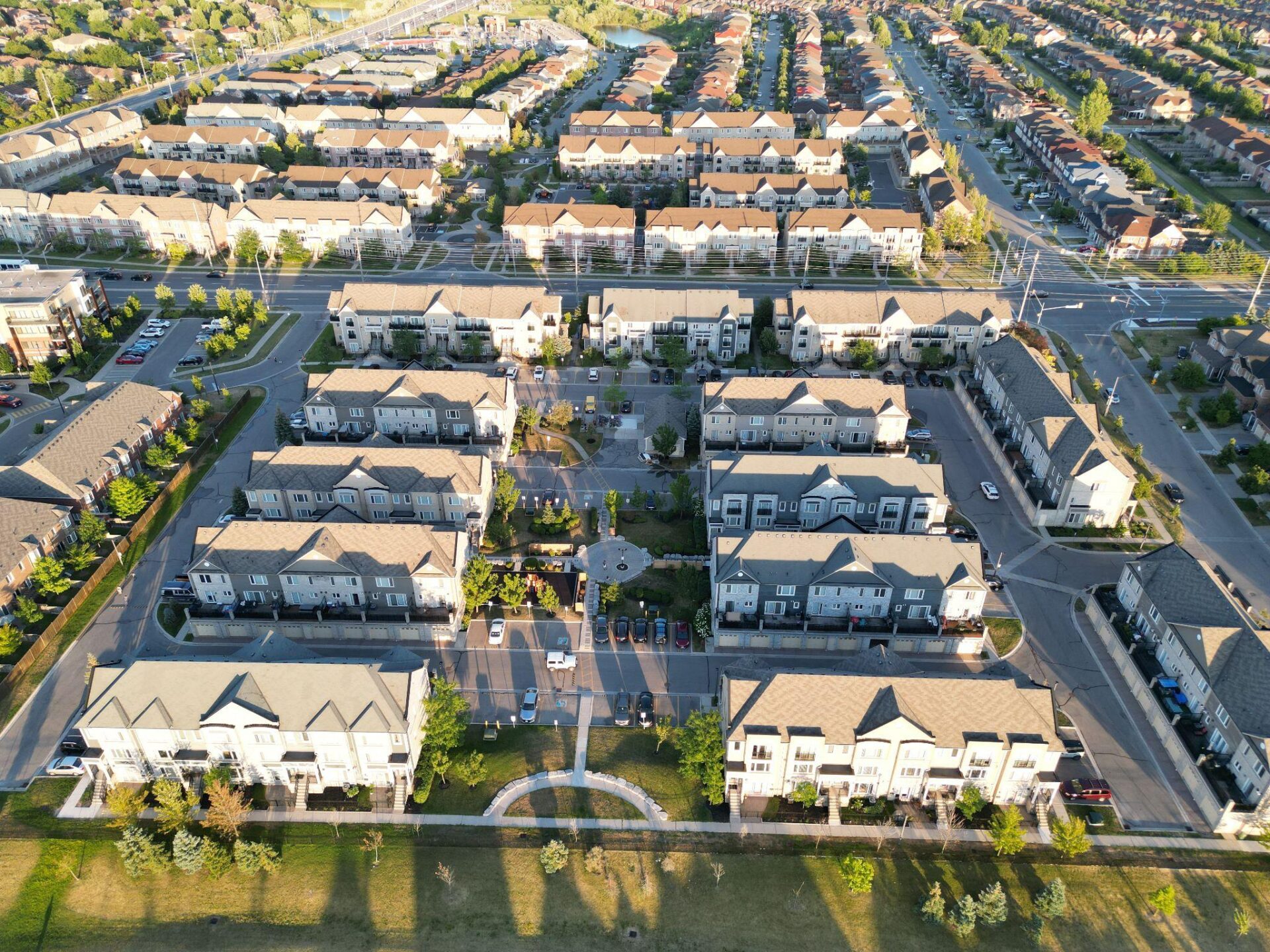
Every condominium in Ontario is legally required to maintain a reserve fund for major repairs and replacements. Aligning proactive maintenance practices with this long-term financial plan for condo corporations reduces the risk of special assessments and ensures capital projects are completed on schedule. Start by reviewing your reserve fund study and note the projected timelines for roof replacement, elevator modernization, parking garage repairs or mechanical upgrades. Utilize your preventive maintenance plan for condos to prolong the life of these components, thereby minimizing the need for replacements closer to the end of their useful life. When you integrate maintenance and financial planning, you can forecast cash flows, adjust contributions and avoid large fee increases. Engage qualified professionals to update your study every three years or sooner if your building experiences significant changes. Use the study as a living document, adjusting it when you complete maintenance that extends component life or when unexpected repairs alter timelines. Transparent communication about the link between maintenance and financial health fosters trust with owners and demonstrates that you have a long-term strategy.
10. Work With Your Property Management Company to Coordinate Vendors and Follow‑Through

Condo boards rarely have the time or expertise to manage complex maintenance programs alone. Working closely with your property management company is a key part of proactive maintenance practices for condo corporations. The Condominium Authority of Ontario describes condominium managers as the glue that holds an effective community together; they serve as the central liaison between residents and the board, manage day-to-day operations, and provide expertise to navigate complex requirements. Their responsibilities often include supervising contractors, managing budgets, and ensuring that owners and residents are informed.
To get the most from your management company, set clear expectations. Agree on the scope of services, reporting requirements and communication protocols. Request a detailed maintenance schedule that incorporates your preventive maintenance plan, and ensure that vendors are qualified and insured. Request regular status updates on projects, including progress, costs, and any decisions required from the board. Ensure your management contract includes provisions for emergency response and after-hours support. Wilson Blanchard Management Inc. prides itself on effective communication, transparency, and delivering results. Its extensive experience in the Ontario real estate market means that your corporation benefits from dependable, fair, and professional service. By partnering with a trusted management team, you gain access to specialist knowledge and free up board members to focus on strategic planning.
Partner With Our Team for Proactive Maintenance Success

Implementing proactive maintenance practices for condo corporations is an investment in your community’s future. By creating a written preventive maintenance plan, scheduling roof and building envelope inspections, staying ahead of HVAC and plumbing maintenance, testing life safety systems, caring for elevators, benchmarking energy use, keeping detailed records, aligning with reserve funds and working closely with your property management partner, you safeguard both property and people. These steps are not merely technical; they reflect a commitment to transparency, accountability and care for your neighbours.
These proactive maintenance practices for condo corporations will position your community for long‑term success and instill confidence among owners and residents.
Our company understands the unique challenges faced by condominium communities in Ontario. With a focus on communication, transparency and getting things done, Wilson, Blanchard Management Inc. provides the expertise you need to keep your building in peak condition. Our team collaborates with you to develop and implement proactive maintenance strategies tailored to your specific assets and budget.
If you want to reduce unexpected costs, extend the life of your building components and build trust with residents, submit a request for proposal to learn how our team can help you put these practices into action.
Summary
A proactive maintenance plan provides your condo with the structure necessary to stay ahead of repairs. By following the steps in this guide, your board can implement proactive maintenance practices for condo corporations and develop a preventive maintenance plan for condos that preserves property value and enhances resident comfort.